

Many business owners approach writing as something they do when they feel inspired. The problem with this approach is that the hungry blog needs to be fed regularly. Content creation consistency relies on systems, not serendipity.
Has this happened to you? You get a great idea while taking a walk, driving to an appointment, or talking with a client. You see the value of this material for your audience. Your enthusiasm is high. You can envision how to lay out the topic and the points you want to make.
Then life gets busy.
Days turn into weeks. The inspiration disappears. The blank page feels intimidating. What was it you wanted to say? Where are your notes on that topic? Or did you not make any? Content creation moves to the bottom of the priority list.
If this pattern sounds familiar, you’re not alone. Waiting for inspiration may seem harmless, but it comes with a hidden cost: inconsistent visibility.
Without content creation consistency, the people you want to reach cannot hire you, recommend you, or learn from you if they rarely see your content. When I’ve used LinkedIn to find guests for my podcast, I encounter so many inactive profiles.
Inspiration Is Unpredictable
Inspiration is wonderful when it arrives, but not documenting it is a poor business strategy.
Imagine if a restaurant only opened when the chef felt inspired to cook. Customers would quickly stop showing up because they would never know when the doors were open.
The same principle applies to content creation consistency used for marketing.
Your audience develops trust through repeated exposure to your ideas. When your content appears sporadically, you lose momentum.
- Prospects may forget about you.
- Existing followers may stop paying attention.
- Referral sources may think you are no longer active.
Consistent writing keeps you visible. It reminds people who you are, what you do, and how you can help.
The challenge is that inspiration is not consistent. Setting up and using systems helps you tap into your inspiration – when you need it.
The Cost of Starting From Scratch
Another problem with waiting for inspiration is that every writing session feels like a fresh start.
You sit down and ask:
- What should I write about?
- How do I begin?
- Is this topic worthwhile?
- Will anyone care?
These questions consume valuable time and energy.
Many writers mistake this frustration for a lack of creativity when the real issue is a lack of preparation, documentation, and follow-through.
When you have no system for capturing ideas, every piece of content requires reinventing the wheel.
Instead of spending your writing time creating content, you spend it searching for ideas.
Build an Idea Collection Habit for Content Creation Consistency
Pay attention to:
- Client questions
- Discovery calls
- Webinar questions
- Social media comments
- Email inquiries
- Coaching sessions
- Industry discussions
Each question can become a piece of content.
For example, if three clients ask how long it takes to see results from a marketing strategy, that question could become:
- A blog post
- A newsletter article
- A LinkedIn post
- A short video
Create a single location for storing ideas. This could be a spreadsheet, notebook, phone app, a journal, or document. Consider using a Google document, something you can access from your phone or a computer. Use your phone to take notes.
The goal is simple: never trust yourself to remember a good idea later. Capture it immediately.
Over time, you’ll build a library of topics that eliminates the “What should I write about?” problem.
Use Simple Outlines
Many business owners make writing harder than it needs to be. They try to compose polished content from the first sentence. A faster approach is to create a quick outline.
Before writing, answer these questions:
- What is the problem?
- Why does it matter?
- What mistakes do people make?
- What solution can I offer?
- What action should the reader take?
Those five points often provide enough structure for an entire article.
An outline acts like a roadmap. Instead of wondering where to go next, you simply move from one point to another.
You do not need a detailed outline. Even five bullet points can dramatically reduce writing time.
Schedule Writing Like an Appointment
Many professionals schedule meetings, client calls, and deadlines. Likely, you are using a paper or digital calendar. Writing deserves the same treatment.
If you wait until you have leftover time to create your content, you’ll rarely find the time. Consider blocking time on your calendar each week specifically for writing. Some people prefer writing for thirty minutes each day. Others dedicate two hours once a week.
There is no perfect schedule. The best schedule is the one you can maintain consistently. Treat writing time as a commitment rather than an optional activity. The goal is not to produce perfect content every time. The goal is to write regularly. Perfectionism is responsible for squelching more ideas than you can imagine.
Lower the Pressure
One reason people wait for inspiration is that they believe every piece of content must be brilliant. That expectation creates unnecessary pressure. Most successful content is not built on groundbreaking ideas.
It is rooted in helpful explanations, useful examples, practical tips, and clear answers to common questions.
Your audience does not need perfection. They need clarity.
A short article that addresses a real problem often performs better than a lengthy piece that took months to write.
When you remove the expectation of creating something extraordinary, writing becomes much easier.
Content Creation Consistency Creates Cash
The business benefits of consistent writing often appear gradually.
- A prospect reads several articles before reaching out.
- A referral partner remembers a post you shared months ago.
- A podcast host discovers your content and invites you to speak.
- An existing client decides to purchase another service because your writing kept you top of mind.
These opportunities rarely come from a single piece of content. They come from the cumulative effect of showing up regularly.
The hidden cost of waiting for inspiration is not simply fewer blog posts. It is missed opportunities, reduced visibility, and weaker connections with the people you want to serve.
Instead of relying on inspiration, create a system. Collect ideas, use simple outlines, schedule writing time, and focus on consistency.
When writing becomes a habit rather than a mood, your content works harder for your business—and your audience always knows where to find you.
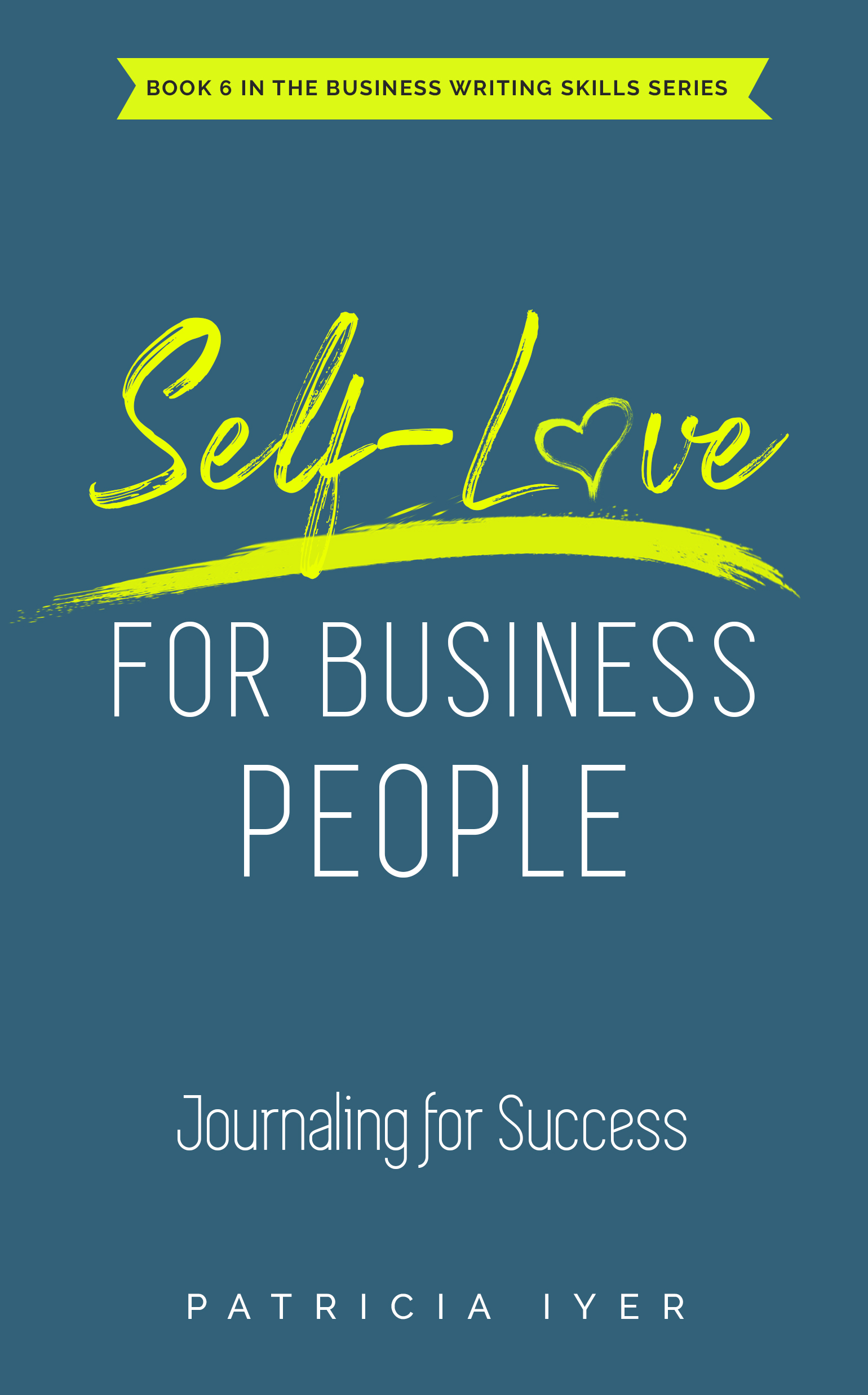
For tips on how to use a journal to capture your ideas, order my book here.

Pat Iyer MSN RN LNCC is a consultant, speaker, author, editor and coach. She has written or edited 73 of her own books and worked with dozens of authors as an editor. Her most recent books are AI-Powered Video for LNCs book and workbook. These books reached Amazon #1 Bestseller status a few days after their release.
Pat is an Amazon international #1 bestselling author. Coaches, consultants, and speakers hire Pat to help release the knowledge inside them so that they can attract their ideal clients.
She delights in assisting people to share their expertise by writing. Pat serves international and national experts as an editor, book coach, and a medical and business writer.