

A few years ago, I read a memoir by someone with a genuinely compelling story to tell, sharing the intriguing details of her husband’s involvement with underworld criminals and his unexplained death. She had a unique story.
But I almost put it down after I started reading it because of her writing mistakes and the book’s distracting flaws. The first chapter included the same paragraphs repeated twice. And then, without warning, the author inserted a recipe. Not a metaphor about cooking, not a story that happened to involve food — an actual recipe, ingredients and instructions, dropped into the middle of her personal narrative.
There were also typos throughout the book.
The author’s content wasn’t bad. Her descriptions of her husband’s activities were interesting. But the unedited writing and writing mistakes were distracting.
Although her memoir was not designed to gain her clients, the principles of refining your book apply to any non-fiction book. For a coach, consultant, or speaker using a book to attract clients, execution is the whole game. Your book isn’t just a collection of your ideas. It’s a work sample. It shows a prospective client exactly how much care you put into something with your name on it. If the answer is “not much,” that’s the message they’ll receive — no matter how good your advice actually is.
Here are seven writing mistakes I see often, and why each one costs you more than you think.
1. Padding the Page Count
Some authors want their book to look substantial, so they bump the font to 14 point, widen the margins, and add extra line spacing. Readers notice. A book that’s visibly stretched to look longer suggests the author is reluctant to publish a short book. It makes you wonder if the author is insecure about their content — as if the author didn’t trust 75 honest pages to share their knowledge, so they inflated it to 150. I recall reading a book written by a business coach who used double spacing to make her book look longer than it was.
If your book is short, let it be short. A tight, well-written book outperforms a padded one every time.
2. Skipping Professional Proofreading
Typos and inconsistencies are the fastest way to undercut your own authority and undermine your credibility. You’re asking a reader to trust you with their business, their reputation, or a major decision — and then handing them a book that hasn’t been polished. A prospective client doesn’t distinguish between “the writing has an error” and “the person who wrote it is careless.” They walk away with the second impression.
A novel I read described the main character as Caucasian, but at the end of the book, that same character was African American. How did that happen?
3. No Coherent Plan for the Reader
A book needs a plan — a sense that the author knows where the reader is starting, where they’re headed, and how each chapter moves them forward. The author addresses the reader’s problems and offers guidance on overcoming them. Without a plan, chapters read like a loosely connected pile of good ideas instead of a tight argument. Readers can feel the difference between a book you outlined in advance and one that you assembled as you went along.
4. Repeating Content
This is the mistake from the memoir I mentioned. Whole passages reappeared, verbatim, in the same beginning chapter. I see this pattern with some of the authors I’ve worked with as a book coach. It happens more than people realize, especially in longer manuscripts written over months or years — an author forgets they already made a point or told a story and repeats it, sometimes in nearly identical language. It signals that no one read the whole book closely before it went to print, including the author.
5. Including Material That Doesn’t Belong
The recipe in that same memoir is the clearest example I’ve seen of this mistake. It wasn’t connected to the story. It didn’t illustrate anything. It just sat there, breaking the reader’s interest in the author’s story and raising the question: did anyone edit this for fit, or did the author include everything she wrote? Every chapter and every story should earn its place. If it doesn’t serve the reader or the argument, it doesn’t belong — no matter how much the author likes it.
6. Trying to Cover Everything
Coaches and consultants often know a lot, which makes it tempting to put it all in the book. But a book that tries to be comprehensive usually ends up shallow everywhere instead of deep anywhere. The authors who write books that build authority pick one clear area of expertise and go deep on it. That focus is also what makes the book easy to describe — “the book about X” — which matters when someone is deciding whether to hire you.
I often recommend to the people I work with that it is far more effective to write a series of books than to try to cover everything in one long book. Readers are much more likely to finish a short book. A book in a series can also sell other books in that series, reviving earlier books and encouraging repeat readership.
7. No Path From Reader to Client
If your goal is to attract clients, the book needs to make the next step obvious. That doesn’t mean you add a hard sales pitch in every chapter. It means readers should finish the book with a clear sense of what you do, who you help, and how to reach you — without having to hunt for it. A book that reads well but leaves that unclear has done half the job.
Most of these writing mistakes aren’t about talent. They’re about what happens — or doesn’t happen — after you complete the first draft and before you publish your book. It is hard to maintain objectivity about what you wrote. A set of professional eyes, a real edit, a hard look at what stays and what goes: that’s usually the difference between a book that looks polished and one that looks amateurish.
If you’re sitting on a manuscript and wondering whether it’s ready, I’d be glad to take a look.
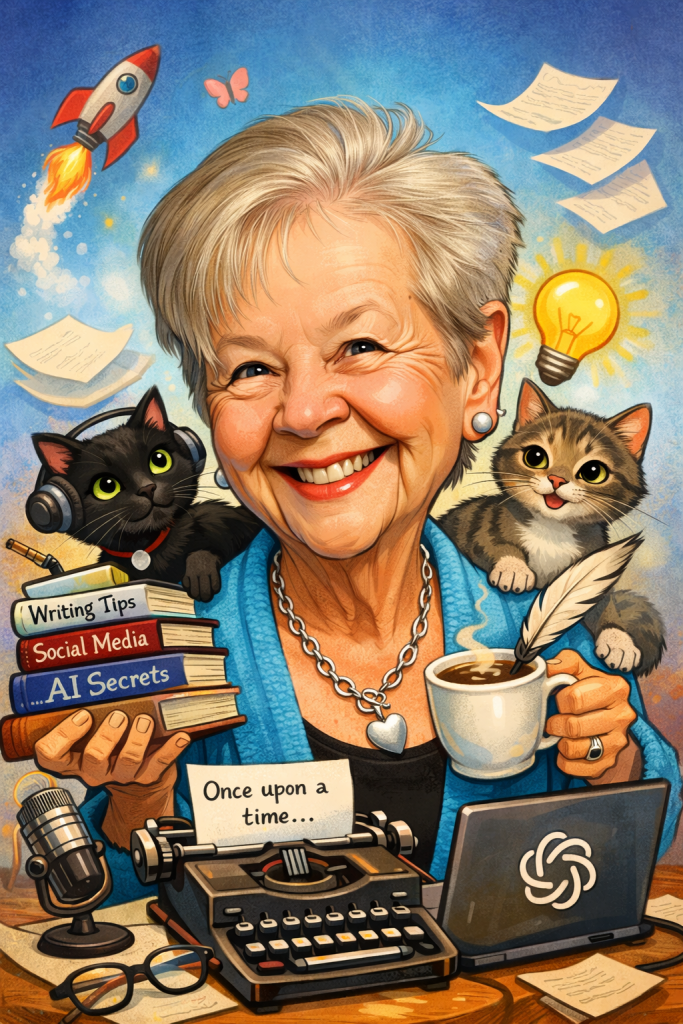 Pat Iyer MSN RN LNCC is a consultant, speaker, author, editor and book coach. She has written or edited 73 of her own books and worked with dozens of authors as an editor and book coach. Her most recent books include AI-Powered Video for LNCs book and workbook.
Subscribe to Pat’s Substack account at this link for her latest posts and notes on The Writer’s Toolbox.
Pat is an Amazon international #1 bestselling author. Coaches, consultants, and speakers hire Pat to help release the knowledge inside them so that they can attract their ideal clients.
She delights in assisting people to share their expertise by writing. Contact her at http://patiyer.com/contact